

UX/UI Case Study
Project Goal: Design an intuitive mobile app that helps wine lovers discover events and venues and connect with others through reviews, favorites, and planning.
Role: UX/UI Designer
There’s no single platform that helps wine enthusiasts find local events easily or connect with others who share their interests. Existing information is fragmented, making exploration and community building challenging.
Problem Statement
Design a user-centered mobile experience that brings together wine events, venues, and communities into one intuitive platform.
Possible Solution
There’s no single platform that helps wine enthusiasts find local events easily or connect with others who share their interests. Existing information is fragmented, making exploration and community building challenging.
Problem Statement
Design a user-centered mobile experience that brings together wine events, venues, and communities into one intuitive platform.
Possible Solution
The Design Process
Discover
User Interviews
User Research
Define
Personas
Requirements
Affinity Diagram
Develop
Storyboard
Sketches
Wireframes
Prototyping
Test
Usability Test Plan
Discover Phase
User Research
To better understand how wine enthusiasts discover new events and connect with others, I conducted one-on-one contextual interviews with three participants. The goal was to identify common motivations, behaviors, and frustrations in their discovery process.
User Interviews
I interviewed five participants who regularly enjoy wine in social settings to understand how they find and engage with wine-related events.
Key Interview Insights
Wine enhances social connection.
Discovery often happens through word of mouth.
Convenience drives participation.
Food pairings elevate the experience.
Local exploration feels more accessible than travel.
Define Phase
Affinity Diagram
After reviewing interview transcripts, notes, and observations, I created an affinity diagram to identify recurring themes in user behaviors and pain points. By clustering related insights, I uncovered key patterns around how wine enthusiasts find events, connect socially, and what factors influence their participation. These clusters helped define the foundation for my user persona and informed design priorities moving forward.
User Personas
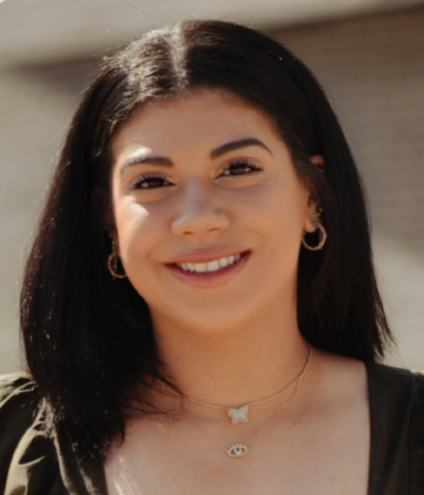
Based on the insights gathered from my interviews, I developed a persona representing the typical Wine Fix user. This helped translate qualitative data into a relatable character, clarifying user goals, frustrations, and motivations to guide design decisions throughout the project.
Ava Robertson
Age: 35 | Gender: Female | Occupation: Marketing Manager | Location: San Francisco, CA
Ava is a 35-year-old marketing manager from San Francisco who thrives on connection and shared experiences. She loves discovering new restaurants and wineries, often organizing wine tastings and dinners with friends. While she enjoys wine, her real passion lies in the social and cultural moments surrounding it.
Tech-savvy and resourceful, Ava uses Google and social media to find new wine spots, but often feels frustrated by scattered and unreliable information. She values convenience, authenticity, and deals that make her outings more accessible. Ava envisions a platform that helps her discover new venues, plan effortlessly with friends, and make every glass of wine part of a memorable shared experience.
Goals:
Discover new and interesting wine venues and events
Have seamless and enjoyable experiences when planning wine outings
Create memorable social experiences around wine
Frustrations:
Difficulty finding reliable and comprehensive info about local wine venues
Challenges in organizing group outings and aligning schedules
Frustration with the lack of personalized recommendations and deals
User Requirements
From Ava’s goals and frustrations, I defined key user requirements to guide the app’s design. These requirements focus on usability, personalization, and social connection, ensuring Wine Fix is easy-to-use and engaging for all.
Seamless Navigation
Integrated Event Calendar
Detailed Venue Insight
Personalized Recommendations
User Reviews & Ratings
With user insights and requirements defined, I began brainstorming how Wine Fix could bring together exploration, personalization, and community in one cohesive platform. Through quick sketches and concept exploration, I merged several early ideas, including the homepage, map view, and personalized recommendations, into a single intuitive flow.
User feedback reinforced this direction, showing that combining profile customization with real-time venue discovery created a more personal and engaging journey.

Develop Phase

Sketches & Storyboards
Early Sketches




Storyboard


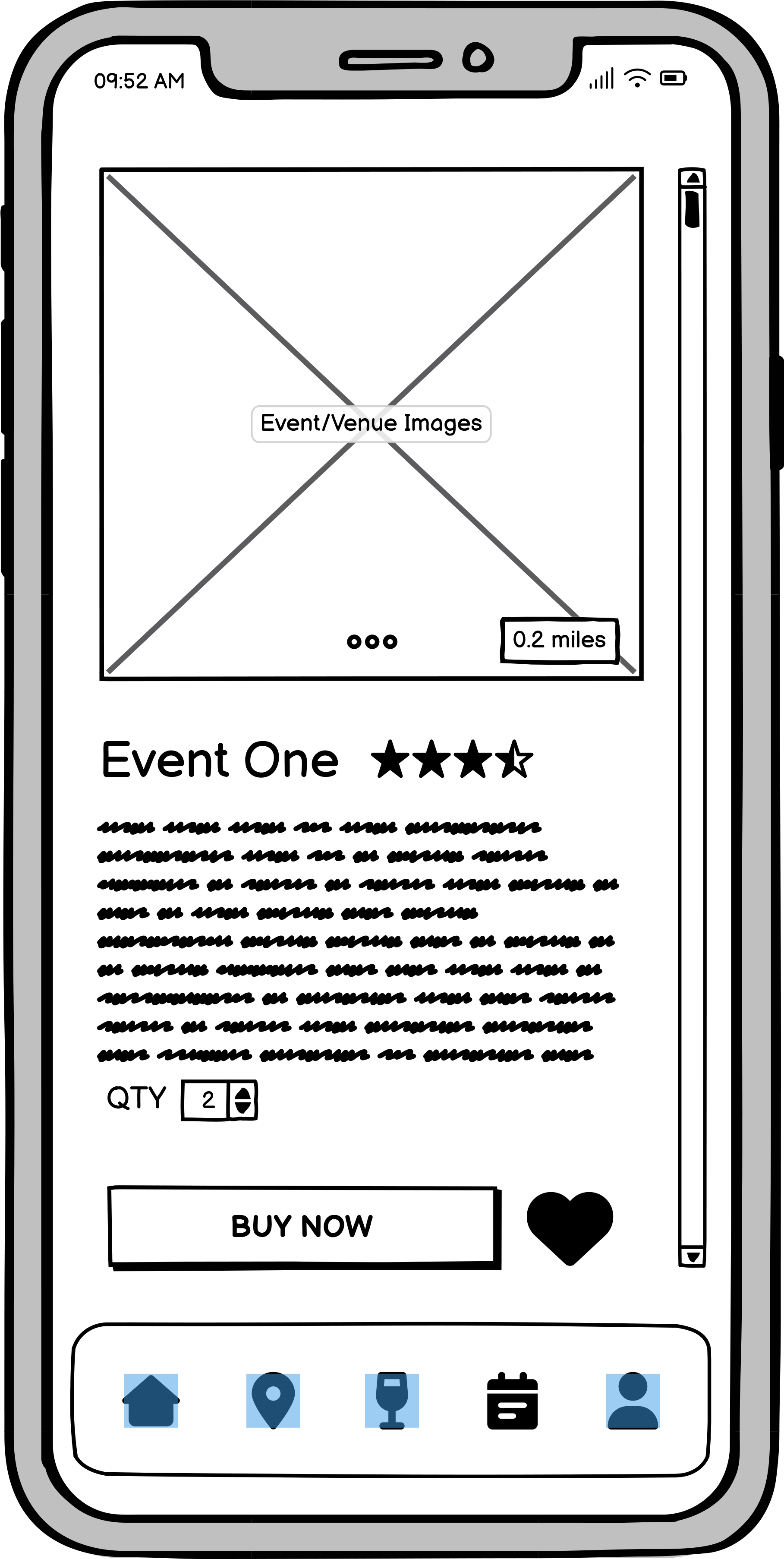
Building on the refined sketches, I developed a paper prototype to test basic navigation and task flow. Insights from this quick, low-fidelity round helped shape the medium-fidelity digital prototype, where layout and functionality began to take clearer form.
Medium Fidelity Prototype
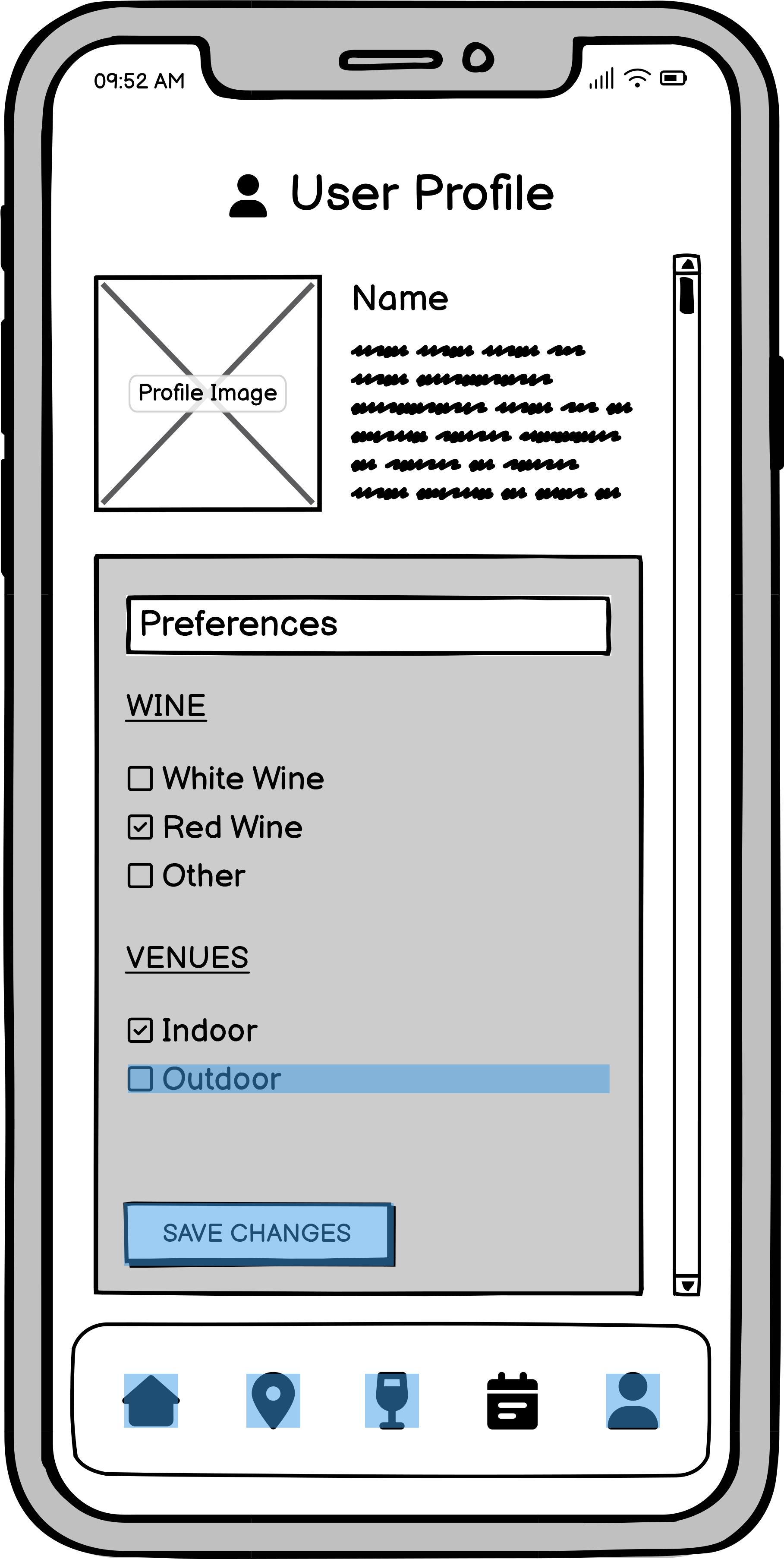
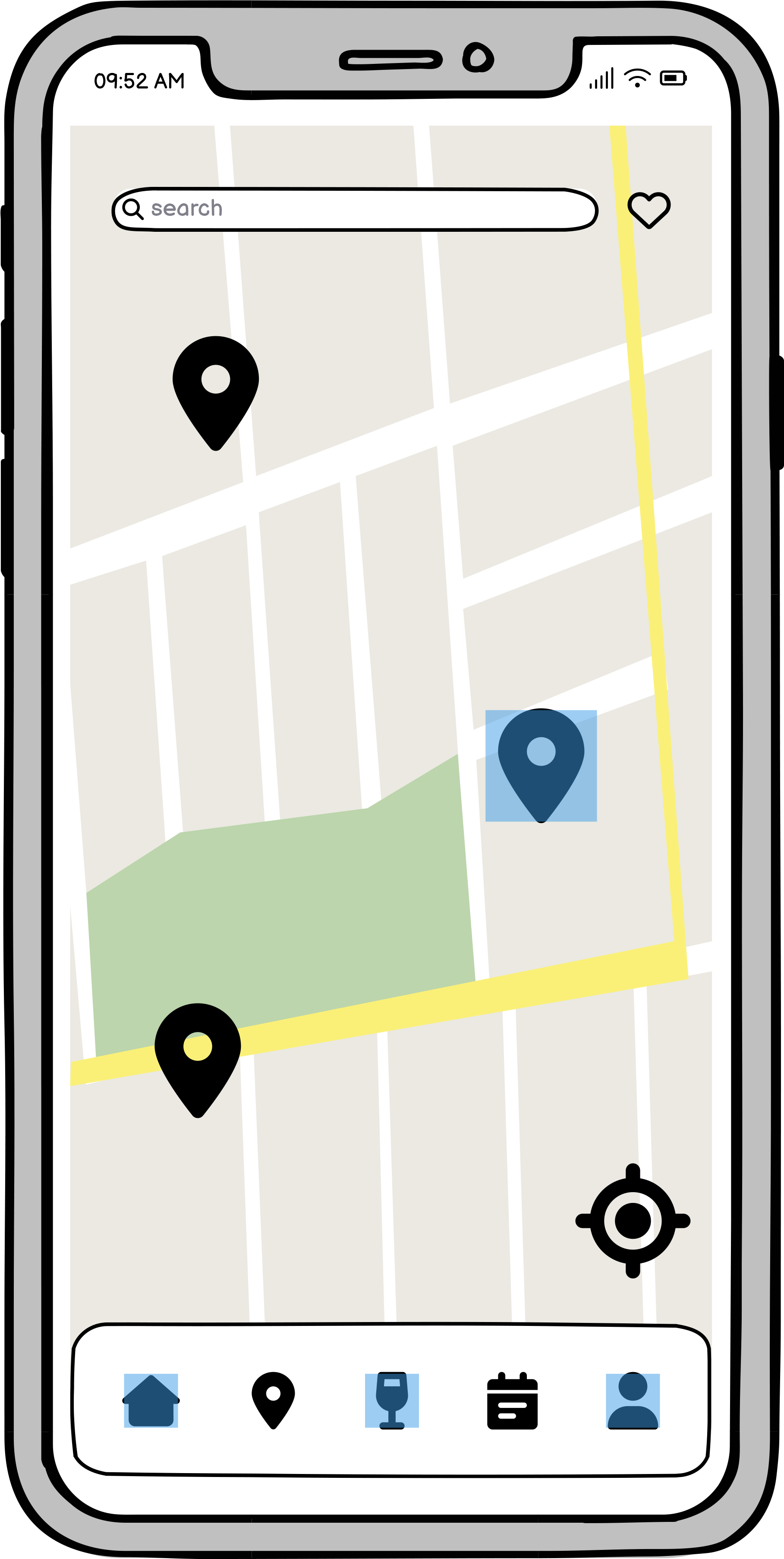
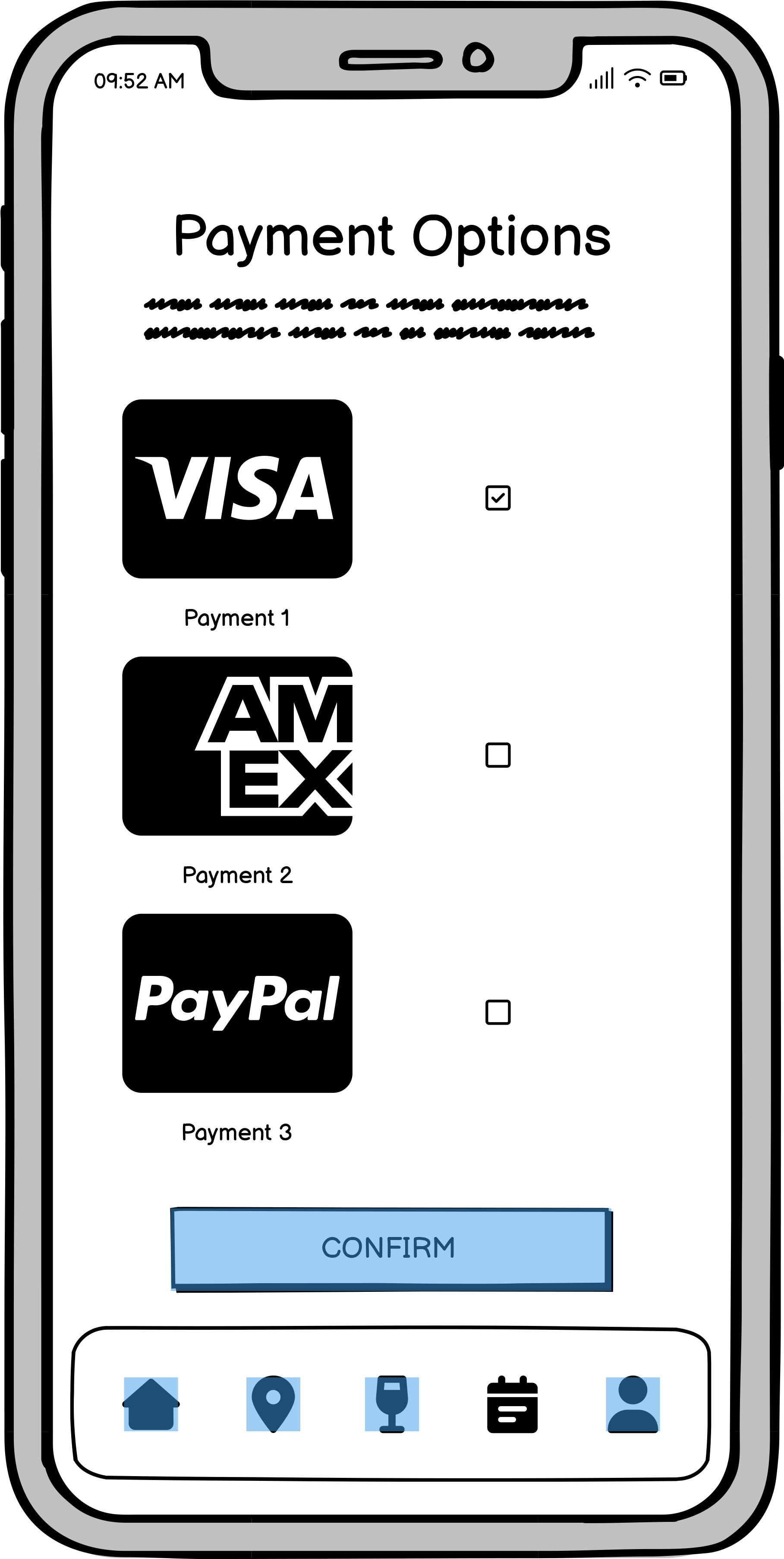
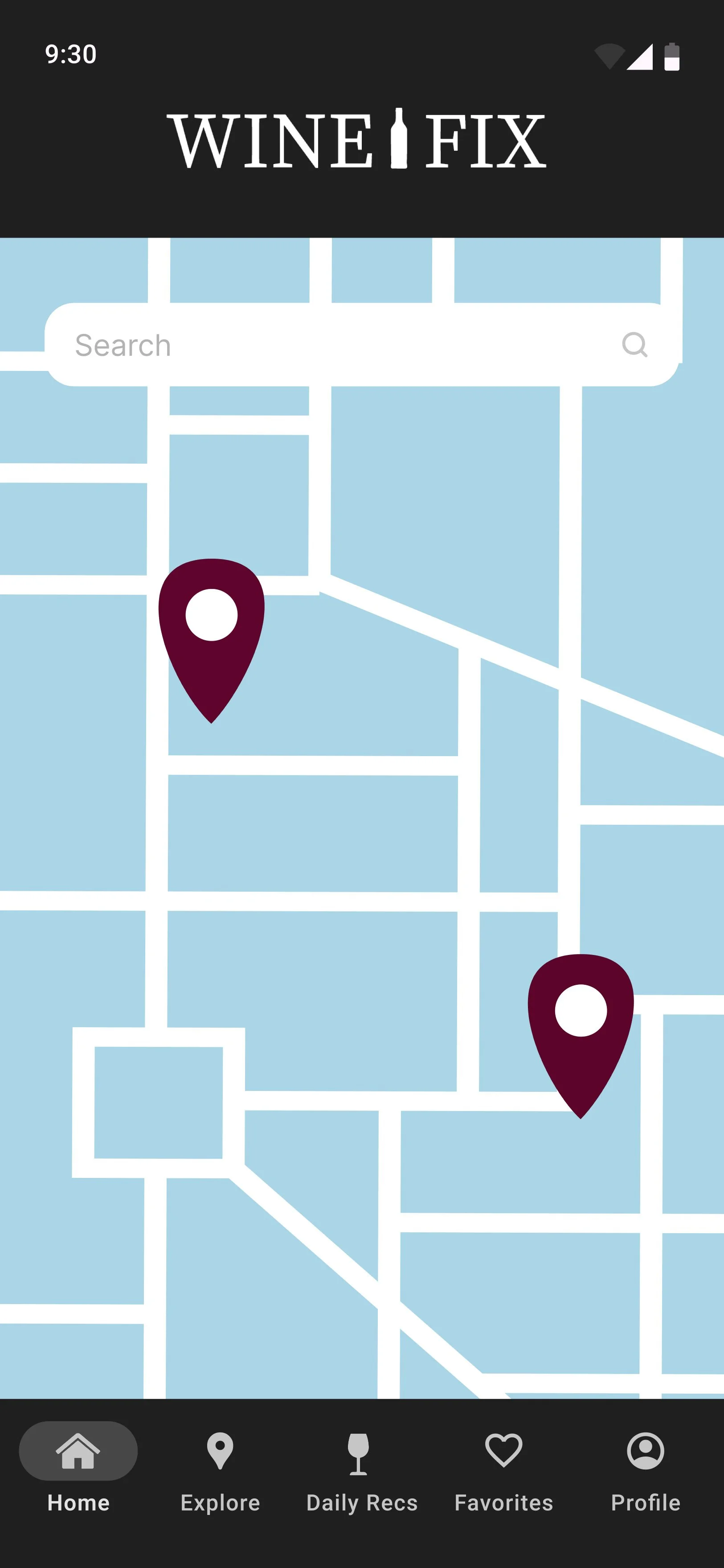
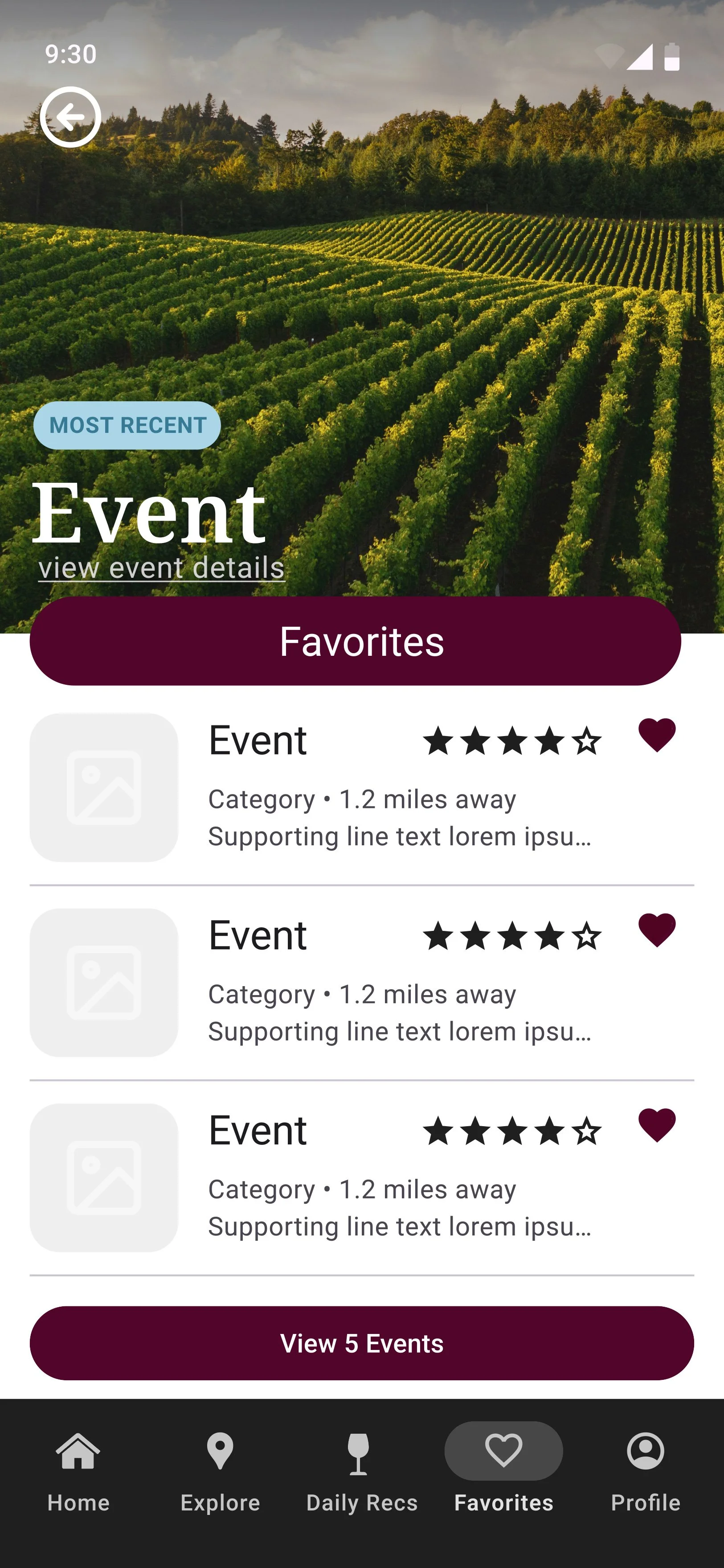
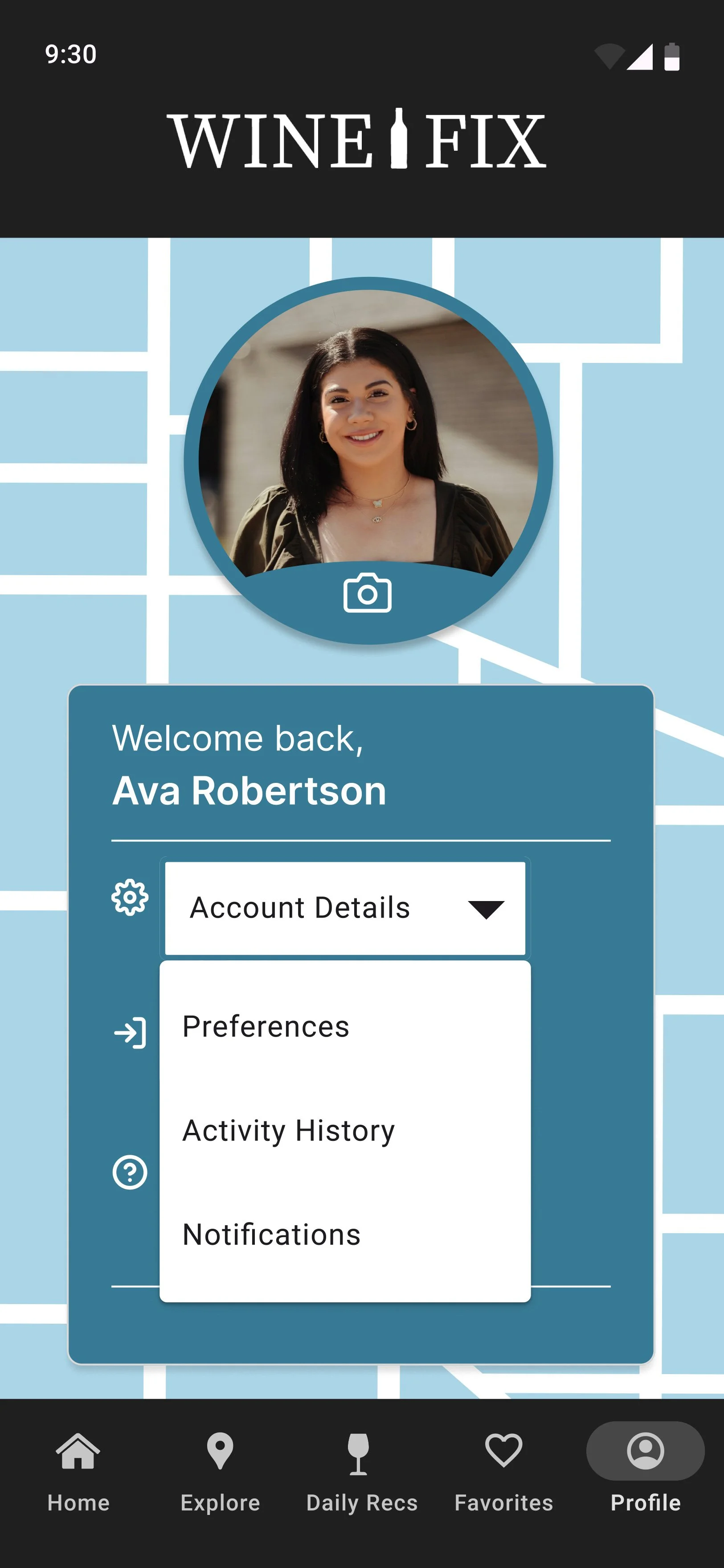
The final high-fidelity prototype captures the full Wine Fix experience, blending navigation with a clean, modern interface that celebrates community and discovery. Designed in Figma, the prototype reflects the journey from concept to execution, with a focus on clarity, warmth, and usability.
Hi Fidelity Prototype

Test Phase
To evaluate the effectiveness of the Wine Fix prototype, I conducted usability testing to understand how users interacted with the core flows, finding venues, reviewing recommendations, and saving favorites. The goal was to assess clarity, ease of use, and overall satisfaction.
Usability Test Plan
Defined objectives, target users, and key tasks to evaluate overall navigation and clarity.
Testing Script
Created structured prompts guiding participants through core actions such as exploring events and managing preferences.
Results & Insights
Observed that users responded positively to the visual layout and navigation flow, noting particular appreciation for the event map and personalized recommendations. Minor feedback included requests for clearer labeling and more visible event filters, which informed final refinements.
Final Thoughts: Overall, the usability feedback validated the app’s core structure and confirmed its potential to make wine exploration more intuitive and community-driven.